Selecting the appropriate shower valve for your bathroom can pose a challenge given the plethora of options on the market. However, with thorough research, you can empower yourself to make well-informed decisions regarding the most suitable valve for your specific needs. Take the time to explore different options and understand their features and functionalities to ensure you choose a valve that meets your requirements and enhances your shower experience.
Concealed shower valves

Concealed shower valves, also known as hidden shower valves, are ingeniously designed fixtures that are seamlessly integrated behind the tiling of the shower enclosure. The only visible parts of a concealed shower valve are the sleek chrome control plate and handles, while the rest of the plumbing components are cleverly concealed within the wall. This design offers a distinct advantage by hiding any unsightly fittings and pipework, thereby enhancing the overall aesthetic appeal of the shower space.
Another advantage of a concealed shower valve is the flexibility it offers in terms of handle options and wall plate shapes. With various handle designs and plate styles available, you can customize the appearance of your shower to match your aesthetic preferences.
Before purchasing a concealed shower valve, it's essential to consider the depth of the recess where it will be installed. If space is limited, you can create a slim stud wall adjacent to the shower area to accommodate the valve. This allows for seamless integration with the surrounding tiling, effectively concealing the plumbing and valves for a sleek look. Alternatively, if tiling is not desired, an exposed valve can be installed instead.
Concerns about accessibility in emergencies often arise when discussing concealed shower valves. However, concealed valves are designed with accessibility in mind. The handles can be easily removed to reveal the cartridges behind them, allowing for straightforward access in case maintenance or repairs are required. This ensures that essential components can be accessed and serviced without difficulty, providing peace of mind for homeowners.
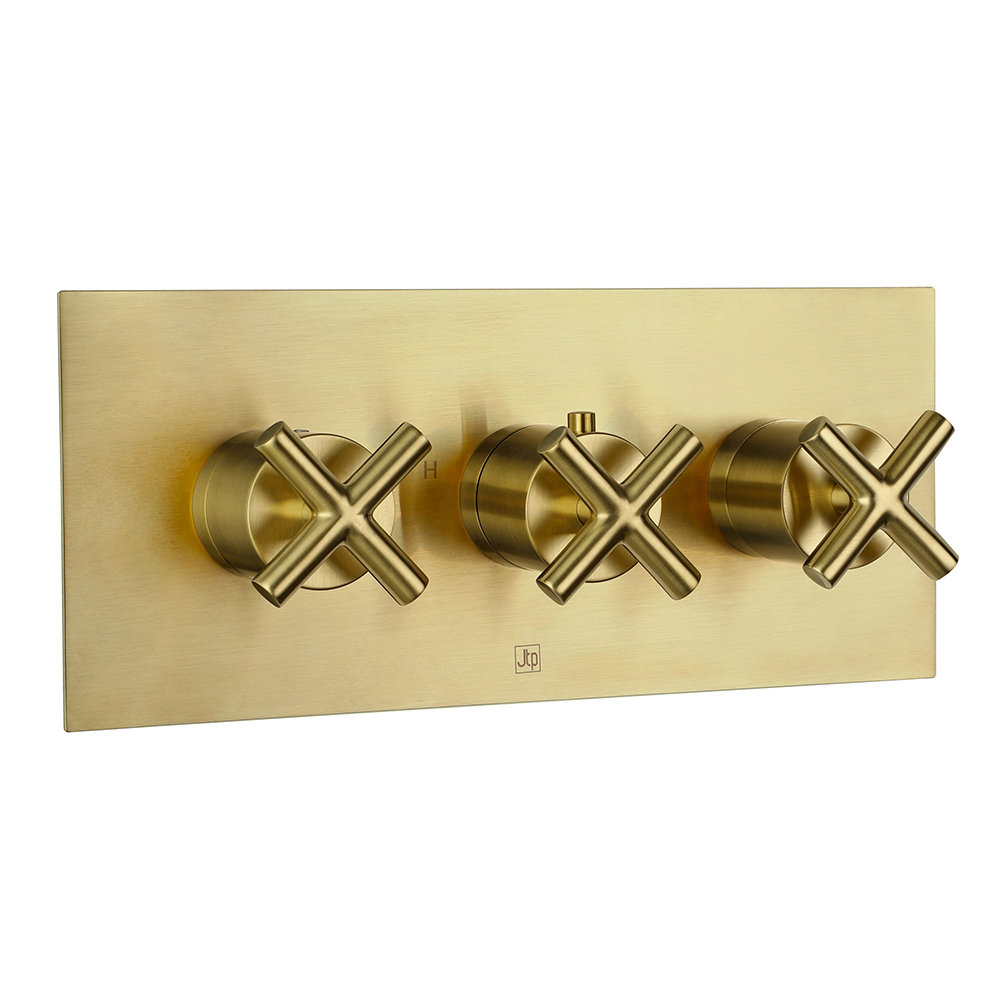
- Concealed shower valves offer the advantage of concealing the inner workings behind the wall, resulting in a cleaner and neater appearance for your bathroom.
- While the initial cost of fittings for concealed shower valves may be higher, the investment can pay off in the long run by enhancing the aesthetic appeal of your space.
- With concealed valves, there is greater flexibility in the placement of outlets and valves, allowing for customized configurations that suit your specific needs and preferences.
- Another benefit of concealed shower valves is the availability of a wide range of design options and shapes, enabling you to seamlessly coordinate them with other bathroom fixtures such as taps and accessories, enhancing the overall visual harmony of the space.
Exposed Shower Valve

Unlike concealed shower valves that are hidden behind the wall, exposed shower valves consist of a horizontal bar mounted outside the wall, exposing all the internal components. While this design may not offer the same sleek appearance as concealed valves, exposed shower valves are typically more affordable and easier to install.
Exposed shower valves are an ideal option for spaces where there is limited room to accommodate a concealed valve. Since they require only minimal installation work, involving the placement of hot and cold water pipes within the wall, they offer a faster and more straightforward installation process. As a result, installation costs are often lower compared to concealed valves.
One advantage of concealed valves is their flexibility in installation location. They can be positioned on walls separate from the outlet they control, allowing for customizable configurations. For example, you can place the valve at the entrance of the shower on one side and install the fixed head or slide rail on the opposite side. However, exposed shower valves lack this flexibility due to limitations in the length and design of the shower hose.

- Exposed shower valves feature the entire valve mechanism being visibly exposed, providing a distinct look in your bathroom.
- Installation of exposed shower valves is typically faster and more cost-effective compared to concealed valves, making it a convenient and budget-friendly option for homeowners.
- Connecting the shower kit to the valve is straightforward with exposed shower valves, as the design accommodates the attachment of the shower hose directly to the valve.
- While exposed shower valves offer practicality and ease of installation, they may have more limited design options compared to concealed valves, which may affect the overall aesthetic customization of your bathroom space.
Manual Shower Valves
Manual shower valves offer a simple and cost-effective solution for controlling water flow and temperature in the shower. Similar to basin mono taps, they feature a lever that allows users to adjust both flow and temperature according to their preference. These valves are versatile and can be used in both low and high-pressure systems. However, some models may require higher pressure to achieve optimal flow due to the presence of a diverter.
With a single lever controlling both temperature and flow rate, manual shower valves provide ease of use for adjusting water settings. Despite their simplicity, manual valves lack thermostatic control, which can pose a risk of sudden temperature fluctuations. For example, if someone in the household turns on a tap or flushes the toilet while you're showering, you may experience unexpected changes in water temperature, potentially leading to discomfort or even injury, especially for young children.
While manual shower valves may suffice for individuals living alone or those who enjoy the unpredictability of water temperature, they are not ideal for households where safety and consistency are priorities. However, they can still be suitable for specific applications, such as in combination with bath overflow systems or pull-out handsets, where thermostatic control is not a necessity.

- Manual shower valves lack thermostatic control, which can lead to sudden fluctuations in water temperature, posing a potential inconvenience during showering.
- They are solely operated manually, requiring users to adjust the temperature and flow rate using a lever or knob.
- Due to the absence of thermostatic regulation, manual shower valves may not be suitable for households with young children, as they may be more sensitive to temperature changes.
- Manual shower valves are compatible with pull-out handsets and overflow installations, offering versatility in usage.
- Manual shower valves are often more affordable compared to thermostatic counterparts, making them a cost-effective option for those on a budget.
Thermostatic Shower Valve
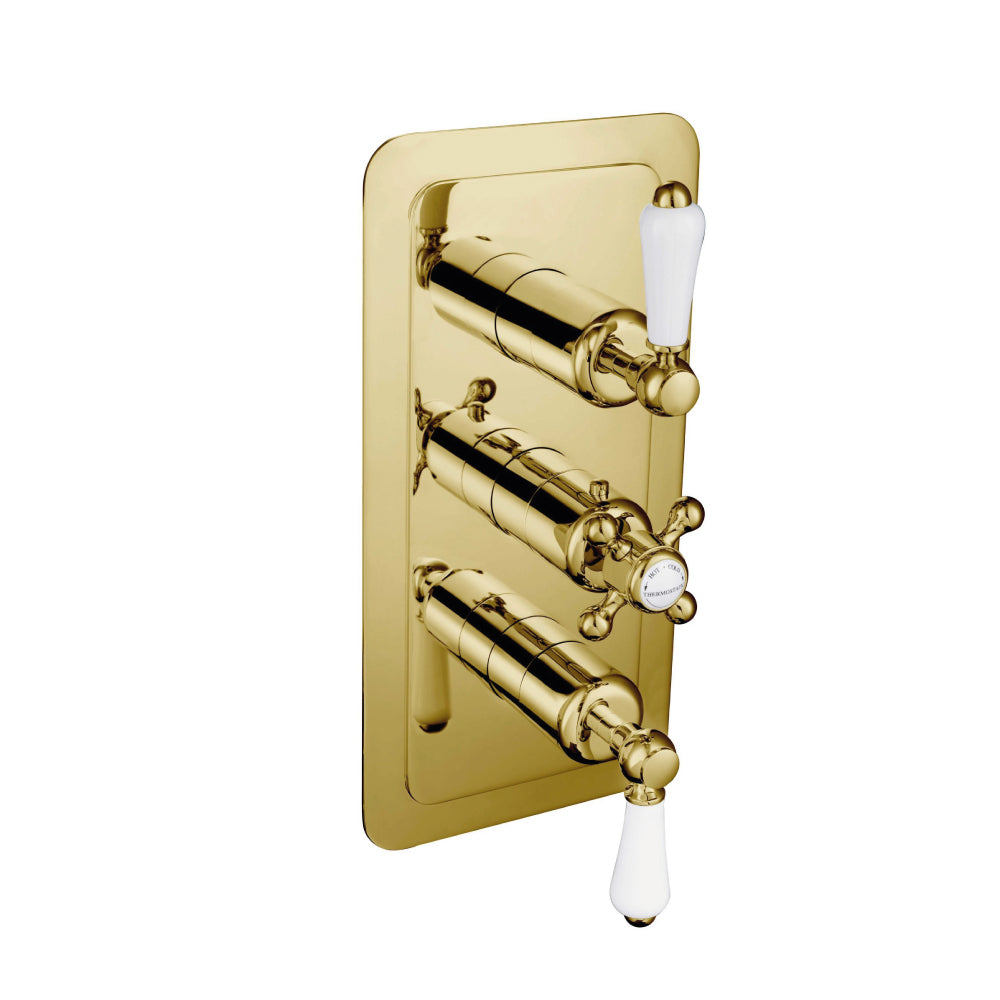
The primary function of a thermostatic shower valve is to regulate the water temperature with precision, ensuring a comfortable and consistent showering experience.
Equipped with advanced temperature control technology, a thermostatic shower valve maintains the water temperature within a narrow range of plus or minus 2 degrees Celsius. This means that even if there are fluctuations in the incoming hot or cold water supply, the valve will swiftly adjust to maintain a steady temperature, minimizing any noticeable changes while showering. Moreover, in the event of a sudden interruption in either hot or cold water flow, the thermostatic valve automatically shuts off to prevent any extreme temperature variations.
Typically, a thermostatic shower valve features two or three handles, depending on the number of outlets it controls. One of these handles is dedicated to independent temperature adjustment, allowing users to set their preferred temperature and leave it untouched for future showers. This eliminates the need for constant temperature adjustments, saving both time and water.
For added convenience and precision, some thermostatic shower valves offer digital control options. With digital controls, users can remotely adjust the water temperature using a control panel placed inside or outside the shower enclosure. This feature provides greater flexibility and allows users to achieve the perfect shower temperature effortlessly.
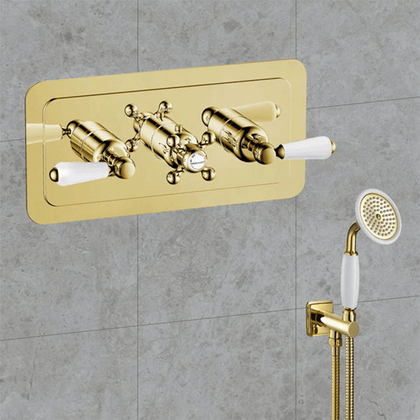
- Thermostatic shower valves feature precise thermostatic control, automatically adjusting to maintain a consistent water temperature during showering.
- These valves can be controlled either digitally or manually, providing users with flexibility in operation based on their preferences.
- Due to their ability to maintain a steady water temperature, thermostatic shower valves are ideal for households with young children, ensuring a safe and comfortable showering experience.
- They can be used with various outlets, allowing users to precisely control the temperature of the water flowing from showerheads, handsets, or other fixtures.

No comments:
Post a Comment